Ready to start investing? Here’s a step-by-step guide to building your first investment portfolio:
Understand Your Starting Point
Before diving into investments, assess your financial health. How much can you invest without compromising your essential needs? Remember, investing should not put your daily finances at risk.
Set Clear Goals
Define what you want to achieve with your investments. Are you aiming for long-term growth, saving for retirement, or funding a big purchase like a home? Setting specific, measurable, and time-bound goals will help you choose the right investment strategies and stay focused amidst market fluctuations.
Educate Yourself
Knowledge is power. Start with understanding fundamental concepts like stocks, bonds, ETFs, market capitalization, and the importance of market indices. There are a lot of free resources online to get you up-to-speed, without having to pay anything. Here are also 3 books that are a must-read for a beginner investors:
- “The Intelligent Investor” by Benjamin Graham
- “One Up On Wall Street” by Peter Lynch
- “The Essays of Warren Buffett: Lessons for Corporate America” by Warren Buffett
Choose the Right Tools
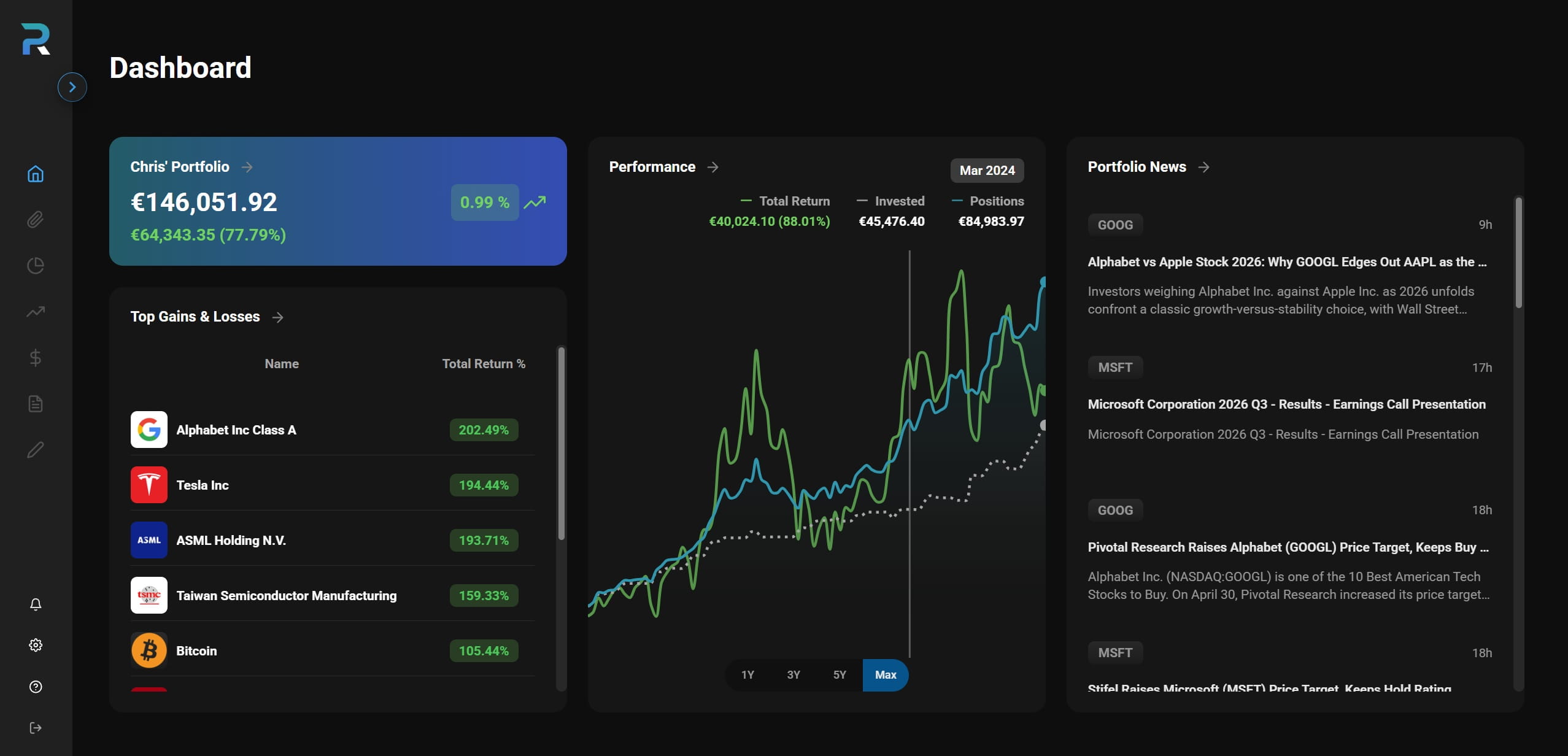
For beginner investors, choosing user-friendly platforms that align with your investment style is key. Whether it’s stocks, ETFs, or other assets, make sure you understand how the platform works and what fees are involved. For tracking diversified portfolios including stocks, ETFs, and cryptocurrencies, consider using a portfolio tracker.
Diversify
Diversification is your best defense against risk. Mix different types of investments to manage risk effectively.
Regular Reviews
Aim to check in quarterly or bi-annually, avoiding the noise of short-term market fluctuations. This disciplined approach helps you stay on track without getting swayed by temporary market movements.
Pro Tip
Consider starting with a paper trading account. This allows you to simulate investment strategies using fake money, which is a great way to practice and understand the market dynamics without any financial risk.