
When investors review portfolio performance, attention often goes to the asset price itself. However, portfolio values are typically measured and displayed in a selected reporting currency, which can influence how performance appears over time.
Why currency can affect portfolio reporting
An investment may trade in one currency while the investor tracks their portfolio in another. If exchange rates change, the translated portfolio value may also change, even when the asset price remains relatively stable in its local currency.
For example, a US-listed asset may show limited movement in USD terms, while a euro-based investor sees a different result after currency conversion into EUR.
This does not necessarily change the underlying investment itself. Instead, it can affect how portfolio values and returns are represented in the chosen reporting currency.
Where currency-related effects may appear
- Foreign stocks and ETFs: assets may trade in currencies different from the investor’s reporting currency.
- Dividends: payments may be received in one currency and converted into another.
- Cash balances: holding cash in multiple currencies can create additional exchange-rate exposure.
- Broker account settings: portfolio values are commonly displayed using a selected base currency.
- Crypto markets: assets may be quoted against fiat currencies, stablecoins, or crypto trading pairs.
Three currencies investors may want to distinguish
It can help to separate three different concepts:
- Trading currency: the currency the asset is priced or traded in.
- Portfolio reporting currency: the currency used to display portfolio values and performance.
- Personal spending currency: the currency most connected to an investor’s everyday expenses and financial goals.
These currencies may be the same, but they do not have to be. When they differ, portfolio performance may appear different depending on the reporting currency being used.
Why visibility can matter
Understanding currency exposure can help investors interpret portfolio reporting more clearly, especially when assets are spread across different countries, brokers, or asset types.
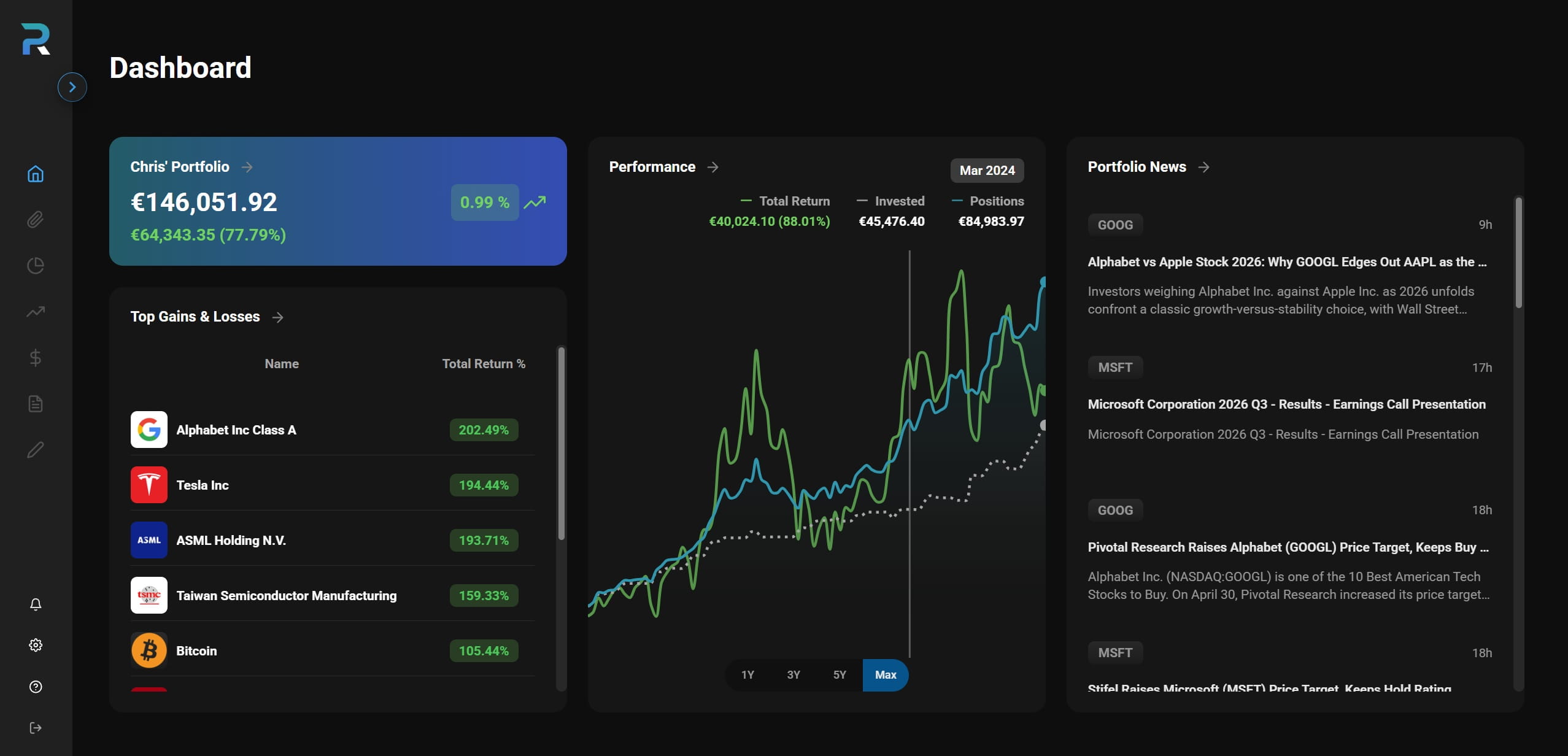
Portfolio tracking tools may help investors organize holdings, cash balances, dividends, and portfolio values within a consistent reporting framework. Reviport supports portfolio visibility across multiple asset types and currencies to help investors review portfolio information in one place.
Key takeaway
Portfolio performance is not only connected to asset prices. The currency used for reporting and measurement can also influence how values and returns appear over time.