
Many investors assume that owning more positions automatically means they are diversified. In reality, diversification depends on what those positions are exposed to, not just how many line items appear in a portfolio.
What diversification is really about
Diversification means spreading exposure across different sources of risk. Two portfolios can each hold ten investments, but one may be more concentrated if most of those holdings move for similar reasons.
Common ways concentration hides
- Sector overlap: several holdings may depend on the same industry or theme.
- Fund overlap: different ETFs can still own many of the same companies.
- Position size: one large holding can dominate overall results.
- Currency or region exposure: assets listed in different places may still rely on the same economy or currency.
A simple review framework
Look beyond the number of holdings. Ask what percentage of the portfolio sits in the largest positions, which sectors or asset types dominate, and whether several holdings are exposed to the same driver.
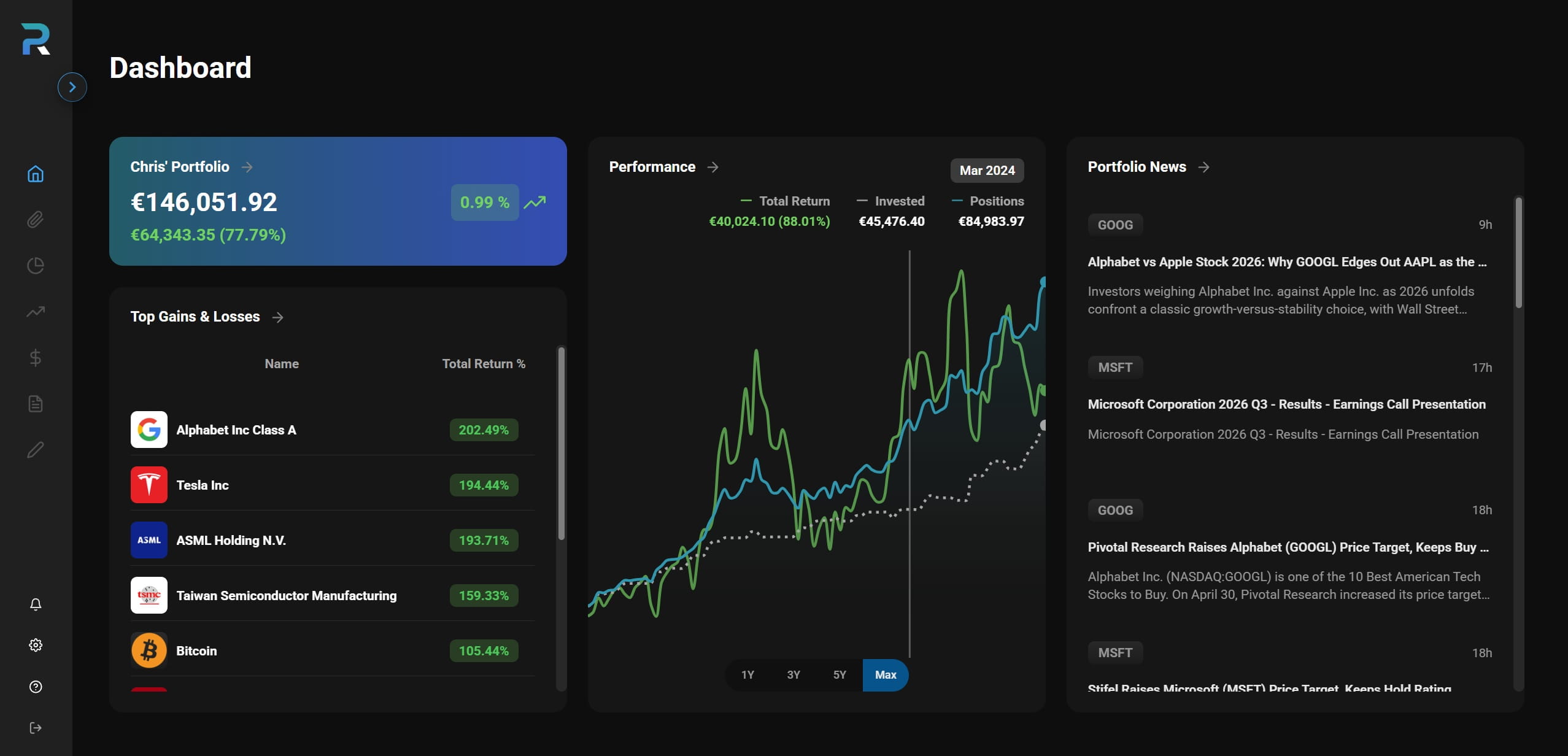
Tools like Reviport can support this review by helping investors see holdings, allocation, and portfolio structure in one place. The goal is not to predict outcomes, but to understand what the portfolio is actually exposed to.
Key takeaway
Diversification is about exposure, not just quantity. A regular portfolio review can help investors spot hidden concentration before it becomes a surprise.