Investment fees are easy to overlook because many of them appear small. But fees are still part of the portfolio picture, and understanding them can help investors review their portfolios with more clarity.
Fees are not always obvious
Some costs are visible, such as a transaction fee. Others are less obvious, such as a fund expense ratio, a currency conversion cost, or the spread between the buying and selling price of an asset.
The point is not to treat every fee as a problem. Different products and platforms have different costs for different reasons. The useful step is knowing what costs exist and where they may appear.
Common fee categories to understand
- Fund expense ratios: Ongoing costs charged inside ETFs or funds.
- Brokerage commissions: Costs that may apply when buying or selling.
- Platform fees: Account or service fees charged by some providers.
- Currency conversion costs: Costs that can appear when investing across currencies.
- Spreads: The difference between the price to buy and the price to sell at a point in time.
A better question than “is this cheap?”
A low fee is not automatically the best choice, and a higher fee is not automatically wrong. A more useful question is: do I understand the cost, and does it make sense for the role this holding or service plays?
This keeps the review focused on awareness rather than panic.
Why this matters for portfolio tracking
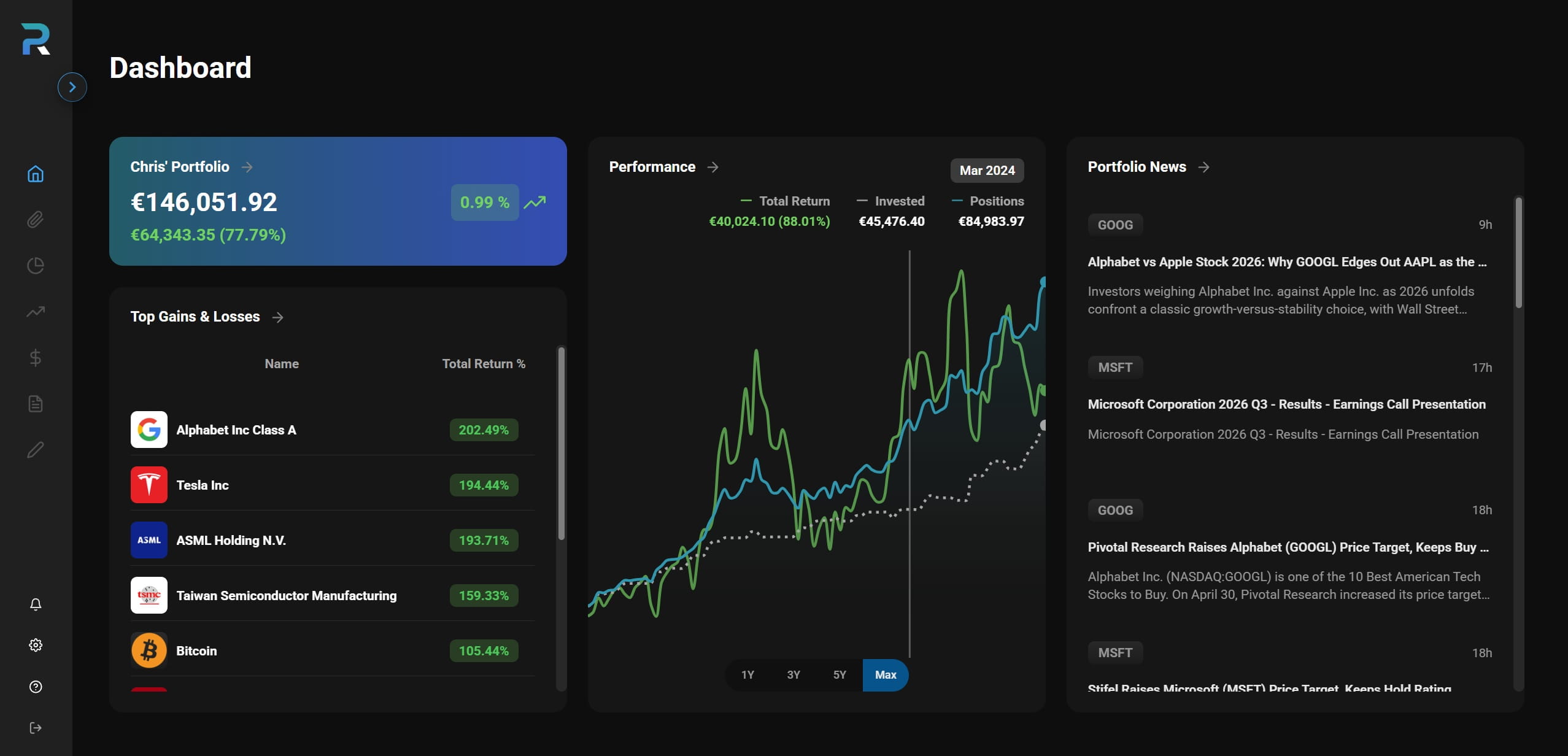
Fees can affect how returns appear over time, especially when investors add money regularly, hold several asset types, or invest across currencies. Seeing costs as part of the wider portfolio can help investors understand performance more clearly.
Reviport does not provide financial advice or recommend trades. Its role is to support portfolio awareness by helping investors organize holdings, allocation, dividends, and performance context in one place.