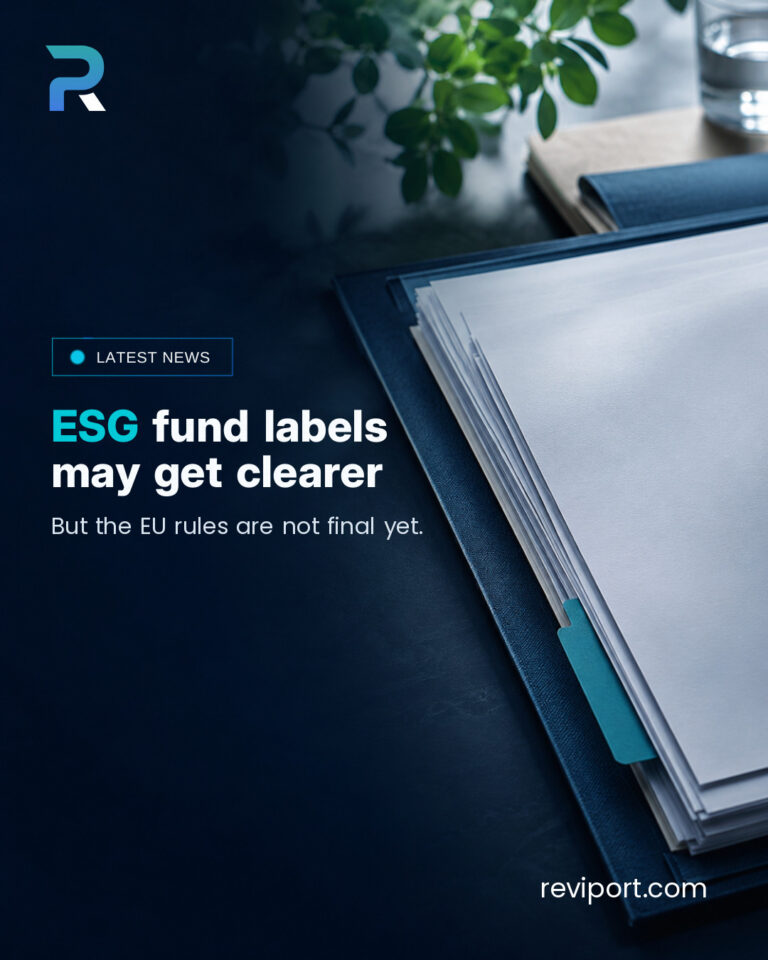
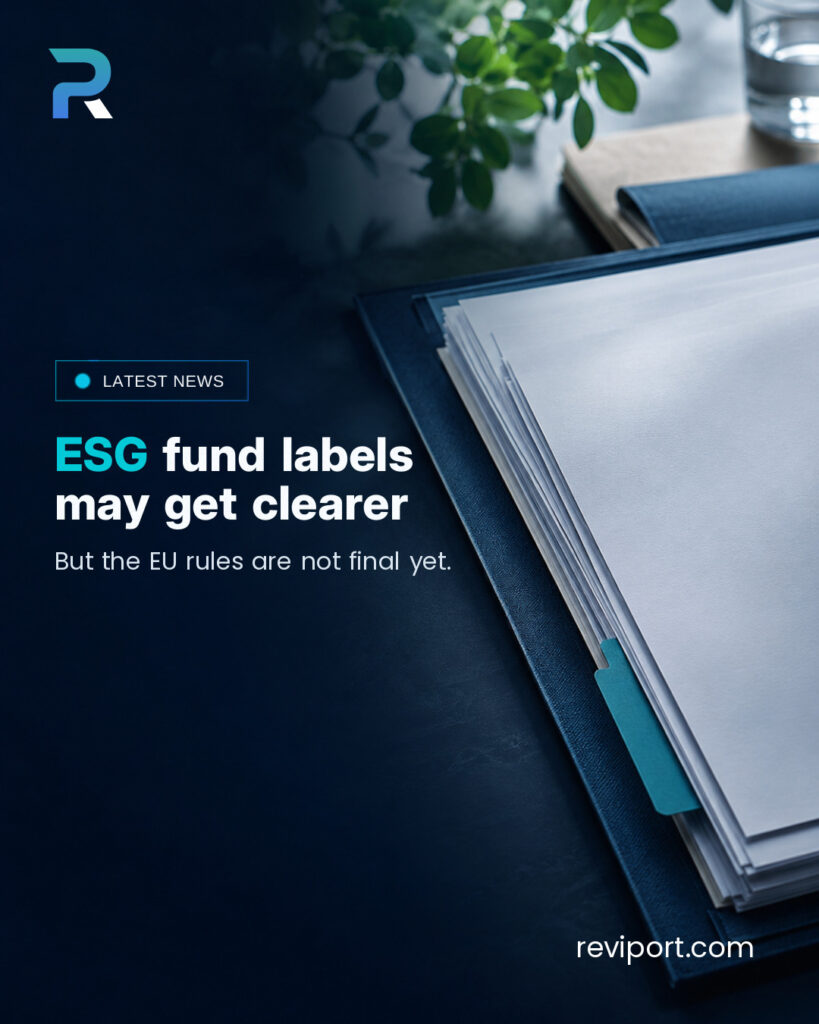
The EU Council moved a sustainable-finance rule update one step forward on 24 June 2026.
The story is about SFDR, the EU framework for how funds and other financial products explain sustainability claims.
In simple terms, this is about labels. When a fund says it is “sustainable” or “ESG”, investors should be able to understand what that claim actually means.
What happened?
The Council agreed its position on changes to the SFDR rules. The aim is to make sustainability information simpler and easier to compare.
The Council wants three clearer product groups:
- Sustainable: products that support sustainability goals. For example, this could mean investments in companies or projects that already meet high sustainability standards.
- Transition: products that support companies or projects that are not fully sustainable yet, but are on a credible path to improve. For example, a company may still have high emissions today but have a clear, time-based plan to reduce them.
- ESG basics: products that use some ESG approach, but do not meet the stricter sustainable or transition categories.
Why the rules are being updated
The current system has been criticised for being hard to understand. Investors may see long disclosure documents, technical wording, and fund names that sound similar but mean different things.
That can make comparison difficult. One fund may focus on companies that already meet sustainability standards. Another may focus on companies trying to improve. Another may simply apply a basic ESG screen.
Those are different ideas, even if the fund names sound similar.
This is not final law yet
The important caveat is that the rules are not final. The Council has agreed its position, but the European Parliament still needs to agree its own position before negotiations continue.
So investors should treat this as a policy step, not as a finished rule change.
What this means for a portfolio
Clearer labels can help investors ask better questions, but they do not replace checking the fund itself.
Before relying on an ESG or sustainable label, an investor may still want to look at:
- what the fund actually owns
- how much it costs
- whether it overlaps with other holdings
- how much risk it adds
- whether it fits the rest of the portfolio
The simple lesson: a label can explain the claim, but the holdings show the reality.