
A portfolio can look diversified on the surface while still depending heavily on one idea underneath.
This can happen when different holdings are connected by the same sector, theme, economic driver, or market mood. The holdings may have different names, but they may still react to similar forces.
Why portfolio dependency matters
Counting holdings is useful, but it does not show the full risk picture. A portfolio with many positions may still lean heavily on one theme if several of those positions depend on similar conditions.
For example, an investor might own a technology ETF, a growth ETF, one semiconductor stock, and a crypto-related company. These are separate line items, but part of the portfolio may still depend on the same broad idea: strong demand for growth assets.
A simple portfolio check
A useful review can ask:
- Which holdings depend on the same sector?
- Which holdings may move together during market stress?
- Which themes appear more than once?
- What percentage of the portfolio depends on one broad driver?
This does not mean overlap is automatically wrong. It means the investor should be aware of it.
How tracking can help
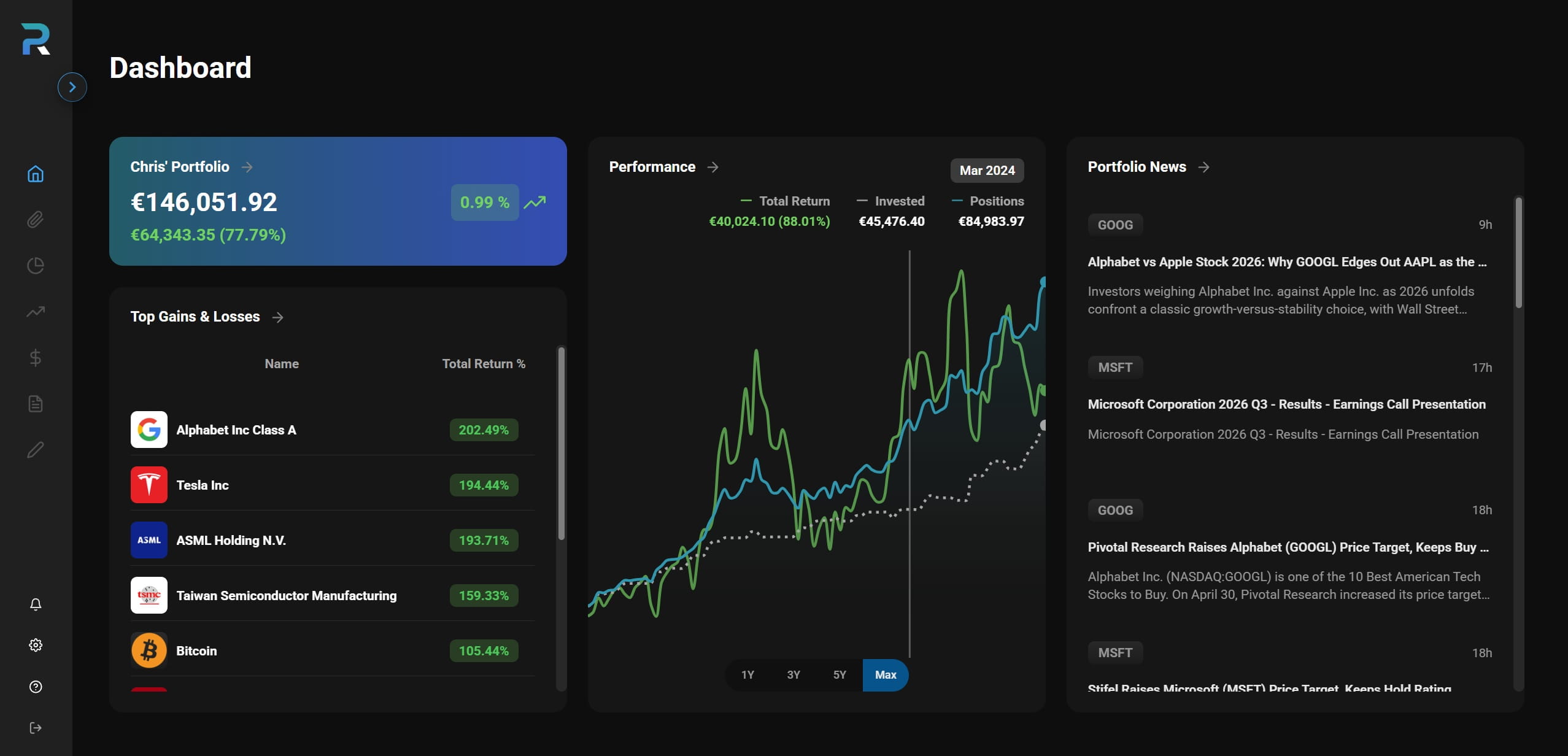
Portfolio awareness becomes easier when holdings are viewed together instead of account by account. Seeing stocks, ETFs, crypto, and other assets in one place can make repeated exposures easier to notice.
The goal is not to predict what happens next. The goal is to understand what the portfolio already depends on.